Money could but won’t be used for educational programming, paying down existing bonds, or scholarships
The Yavapai Community College District Governing Board voted 4-1 to move $2 million from the General Fund to the Capital Accumulation Fund at its September meeting. The money will be applied to capital improvement plans and deferred maintenance over the next five years.
Representative Deb McCasland asked whether the money could have been used for other purposes such as scholarships and paying down the bond. She noted that when the Board voted 3-2 to raise taxes in May 2018 the College claimed it needed the increase to provide a little over $900,000 annually in new funding. McCasland wanted to know whether the two million could also have been used to meet those expenditures?
Vice President Clint Ewell admitted that the two million dollars could be used for educational and other projects. However, he noted that the Board had approved various capital improvement projects in the spring 2018 and the College needed this money to support those projects. Ms. McCasland had voted against the budget containing a long list of capital projects in the Spring 2018.
Ewell also said the two million dollars would cover only the next two years and that the College needed the tax rate increase to fund ongoing projects.
The process used by the College to transfer the money from the General Fund to the Capital Accumulation Fund allows it to avoid certain spending limitations placed on community colleges several years ago.
An edited clip of the conversation at the Board meeting follows below. You may view the entire discussion by clicking here and going to the College Governing Board web site where the entire meeting appears on videotape.


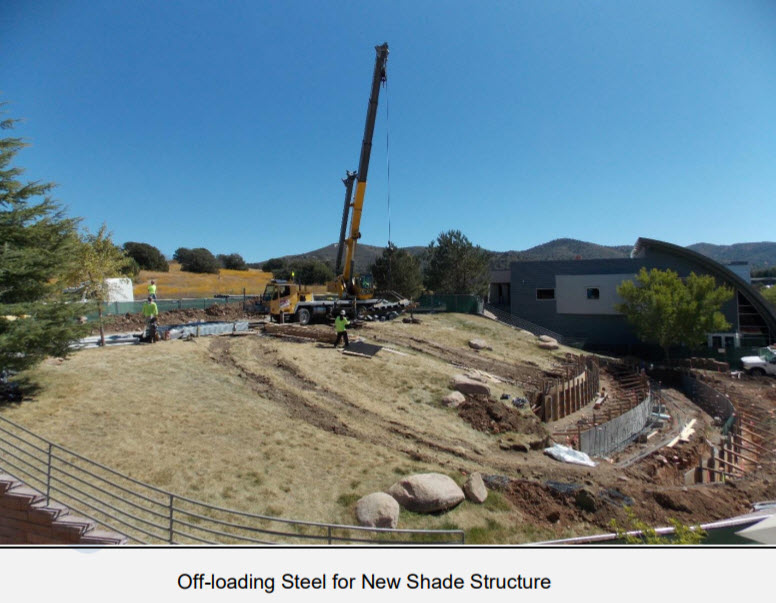
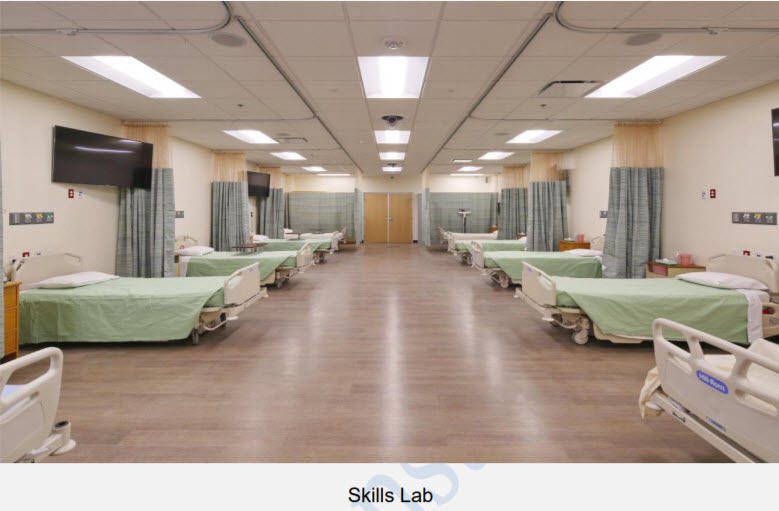
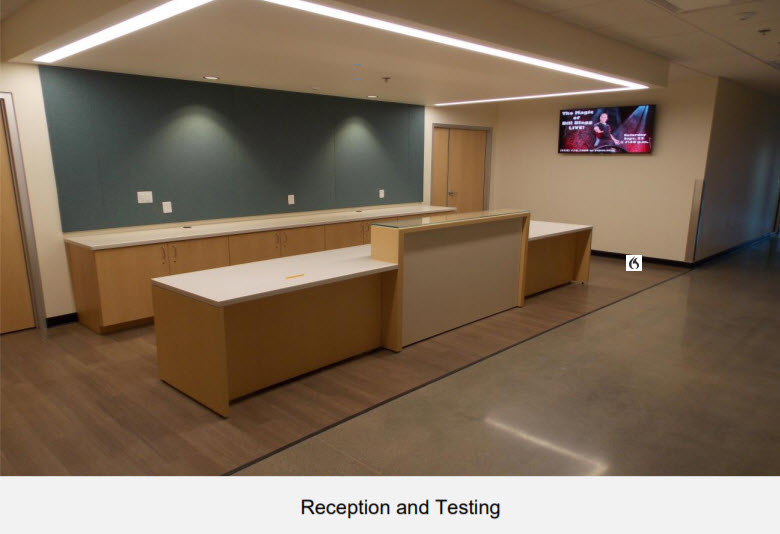
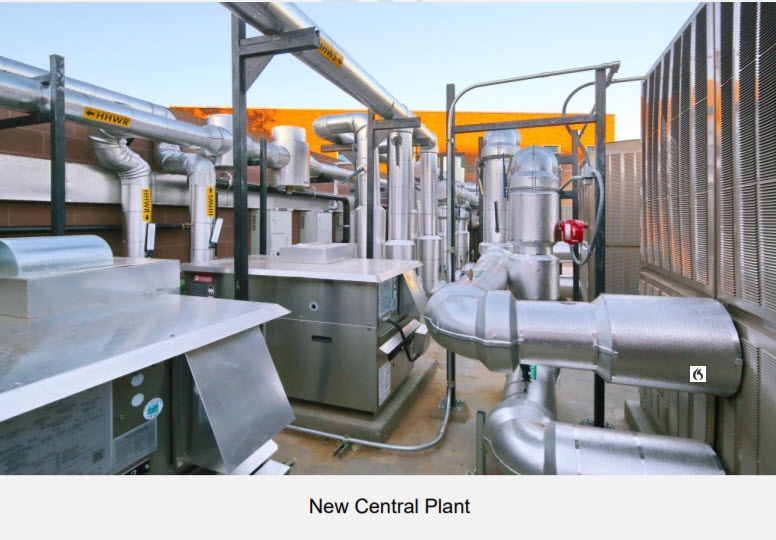
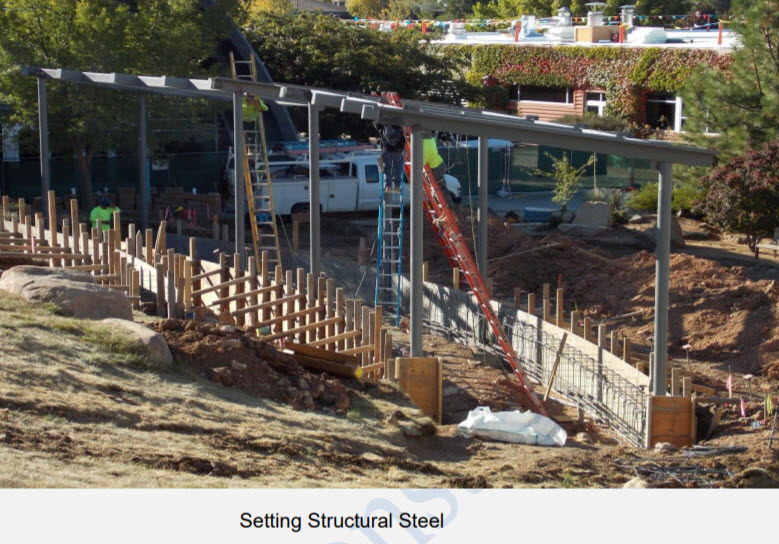
 What most County citizens don’t know is that the College administration does not need to justify to County voters or seek their approval for the massive construction/renovation projects it is using their primary property tax revenue to pay for. In the distant past, the College had to seek General Obligation Bond approval from voters before embarking on capital projects. When seeking the bonds, the Administration had to justify the expenditure of the millions of dollars and imposition of a secondary property tax to pay for them. Because of the budgetary scheme the Administration created, that kind of accountability to voters no longer exists. (All the Administration needs is to persuade the highly political Governing Board three west county representatives to vote for the annual budget and the spending spree continues. This group has approved every request from the College since at least 2012.)